
Cross multiplying fractions is a common math technique used to compare two fractions. It’s a simple method that can be applied in various situations, like solving proportions or determining equivalent fractions.
Understanding when to use cross multiplication is key to mastering fractions. So, when exactly should you employ this method? Let’s delve into the details.
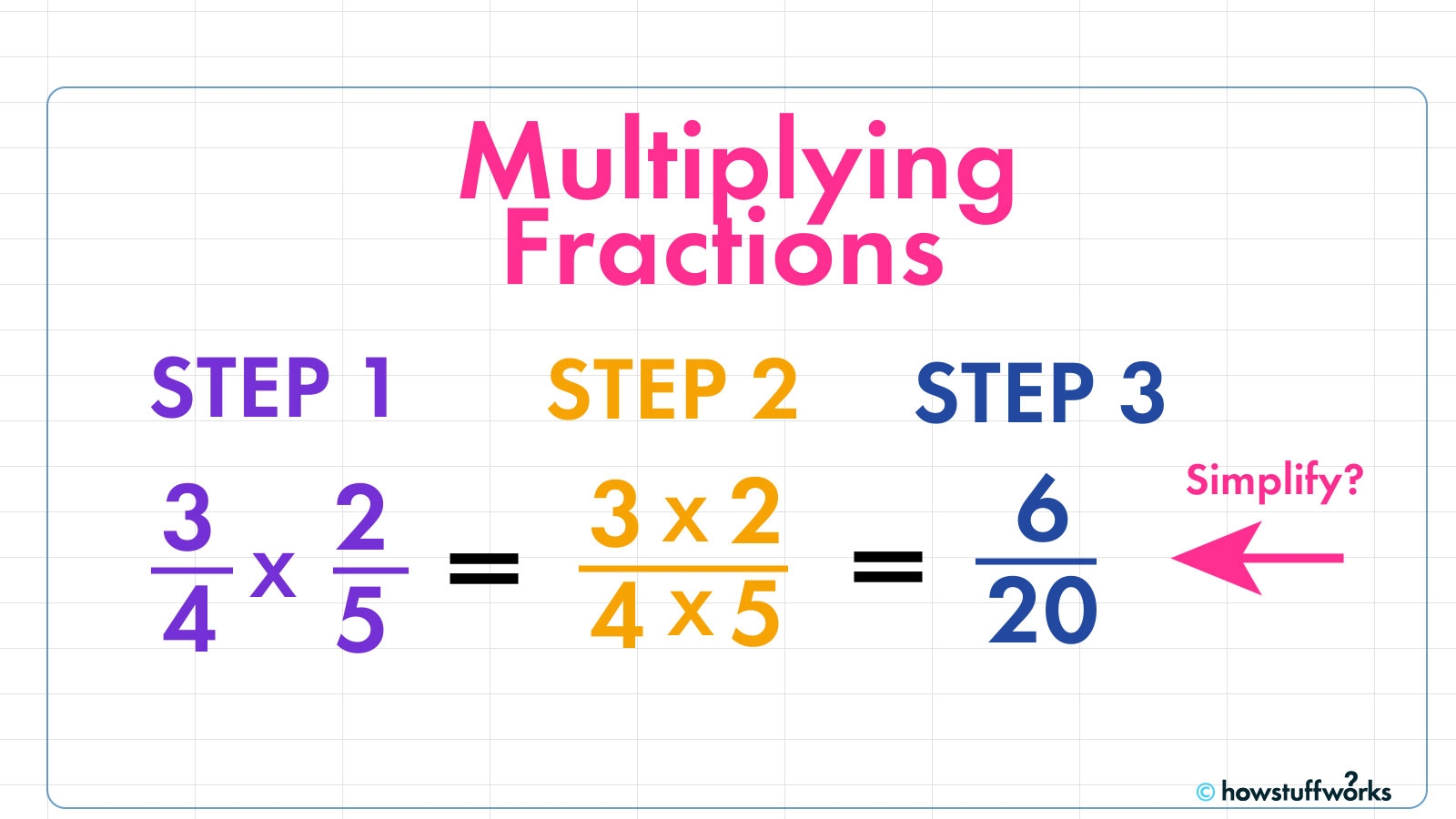
When Do You Cross Multiply Fractions
When Do You Cross Multiply Fractions
When you encounter a proportion with two fractions set equal to each other, that’s when you’ll want to cross multiply. This technique helps you find the missing value in the proportion by multiplying diagonally across the equal sign.
For example, if you have the proportion 2/3 = x/6, you can cross multiply by multiplying 2 by 6 and 3 by x. This will give you 12 = 3x. Solving for x, you get x = 4.
Cross multiplying is also handy when comparing fractions to determine which is greater or lesser. By cross multiplying, you can easily see which fraction has a larger numerator or denominator, thus determining their relationship.
Overall, cross multiplying fractions is a useful tool in your math arsenal. Practice applying this method to various fraction problems to build confidence and proficiency in working with fractions.
Now that you know when to cross multiply fractions, try out some practice problems to hone your skills. With a bit of practice, you’ll become a pro at comparing and solving fractions using this handy technique!
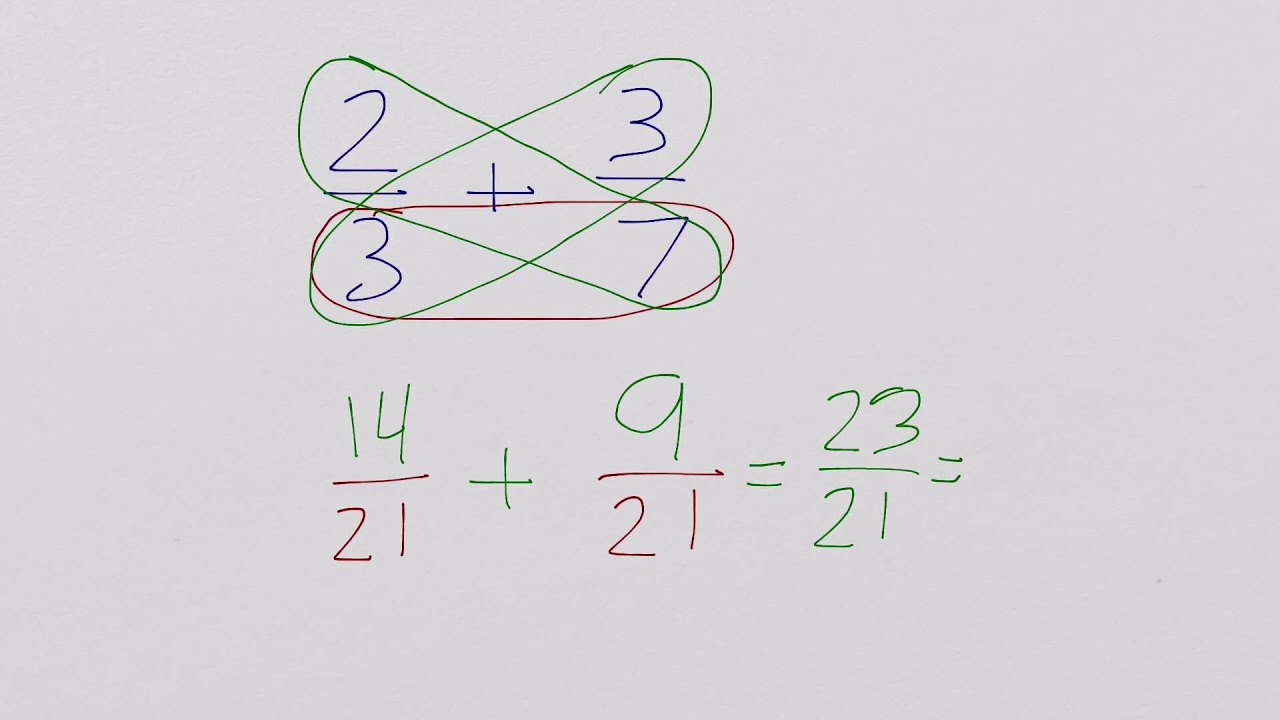
Cross Multiplying To Add Fractions
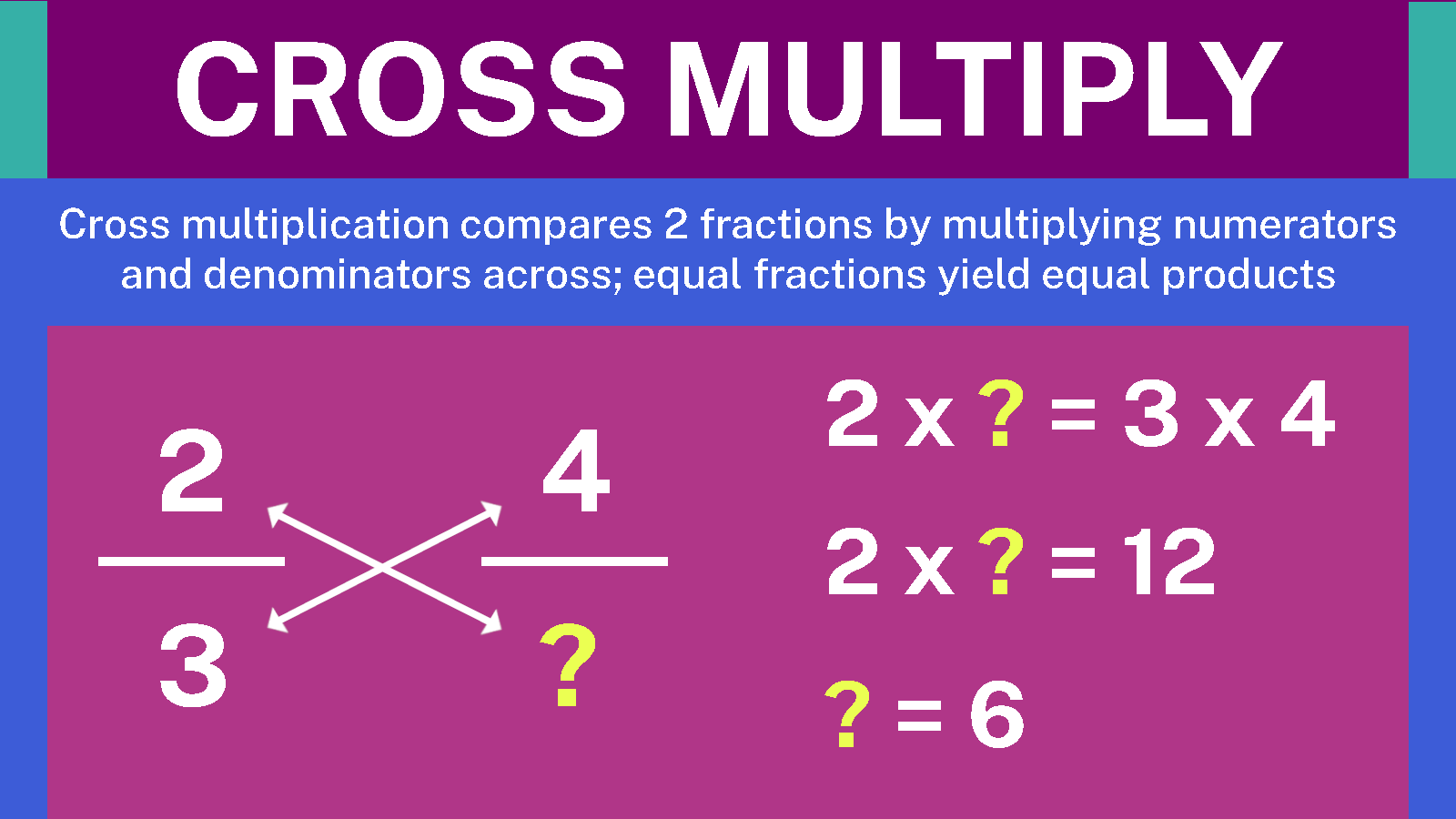
Using Cross Multiplication To Compare Fractions Math Guide
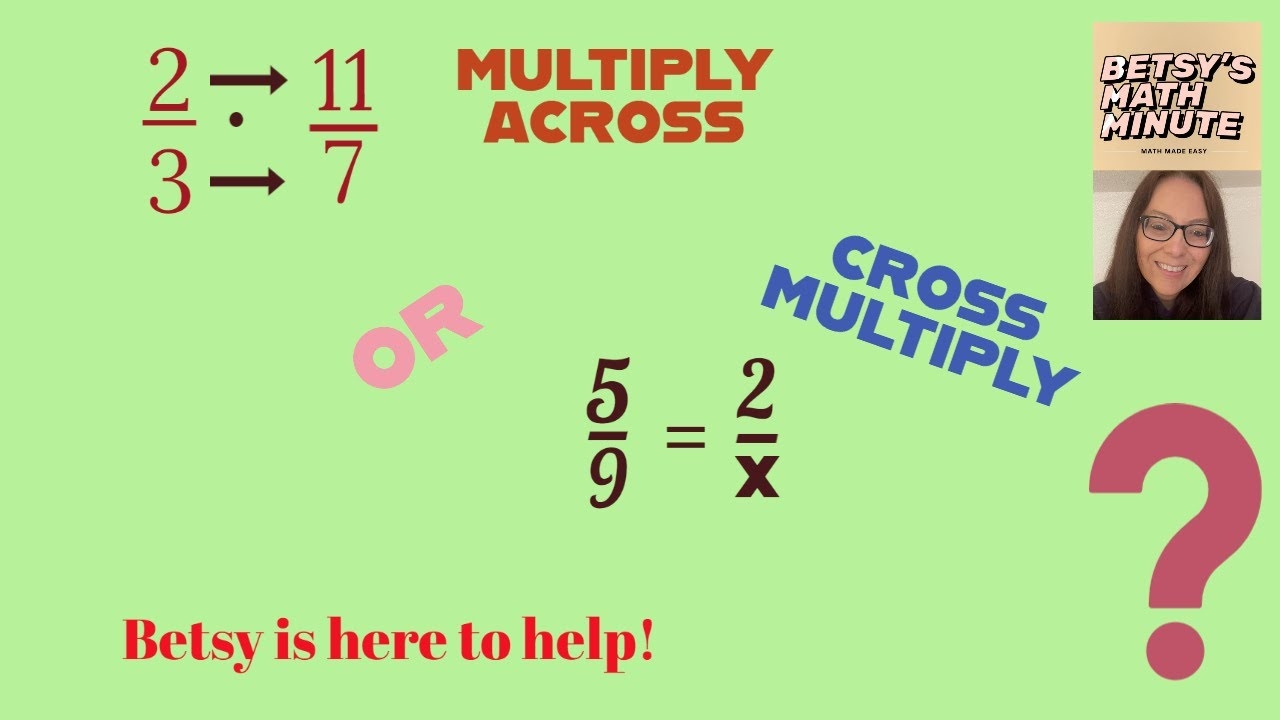
FRACTIONS WHEN TO MULTIPLY OR MULTIPLY ACROSS