
The Associative Property and Commutative Property are two fundamental concepts in mathematics that are often confused. Understanding the differences between these properties can help improve your problem-solving skills and make math more enjoyable.
The Associative Property states that the way in which numbers are grouped when adding or multiplying does not affect the result. For example, (2 + 3) + 4 is equal to 2 + (3 + 4). This property allows you to regroup numbers without changing the outcome.
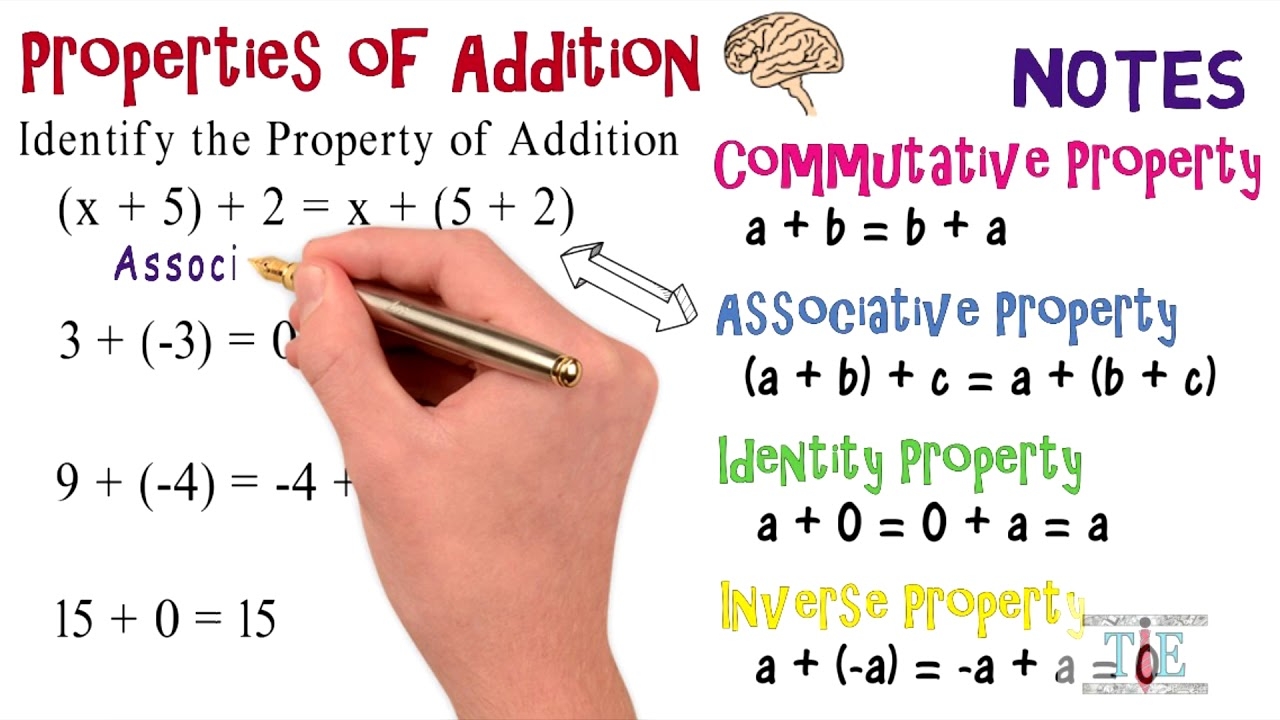
Associative Property Vs Commutative Property
Associative Property Vs Commutative Property
On the other hand, the Commutative Property states that the order in which numbers are added or multiplied does not affect the result. For example, 2 + 3 is equal to 3 + 2. This property allows you to rearrange numbers without altering the sum or product.
While both properties deal with how numbers are manipulated, the key difference lies in their application. The Associative Property focuses on grouping numbers, while the Commutative Property focuses on the order of numbers.
By understanding and applying these properties, you can simplify complex mathematical expressions, solve problems more efficiently, and gain a deeper appreciation for the beauty of mathematics.
So next time you encounter a math problem, remember the Associative Property allows you to regroup numbers, while the Commutative Property lets you rearrange them. Embrace these properties, and math will no longer be a daunting task!
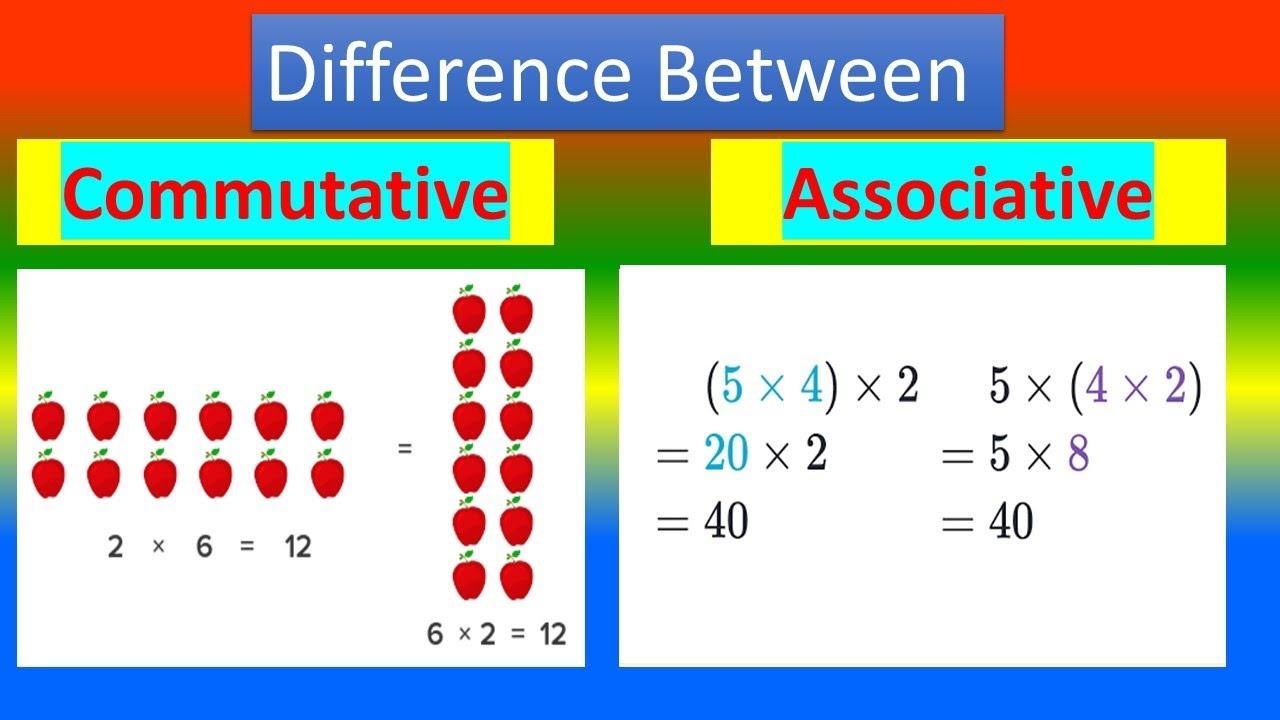
Difference Between Commutative And Associative Worksheets Library
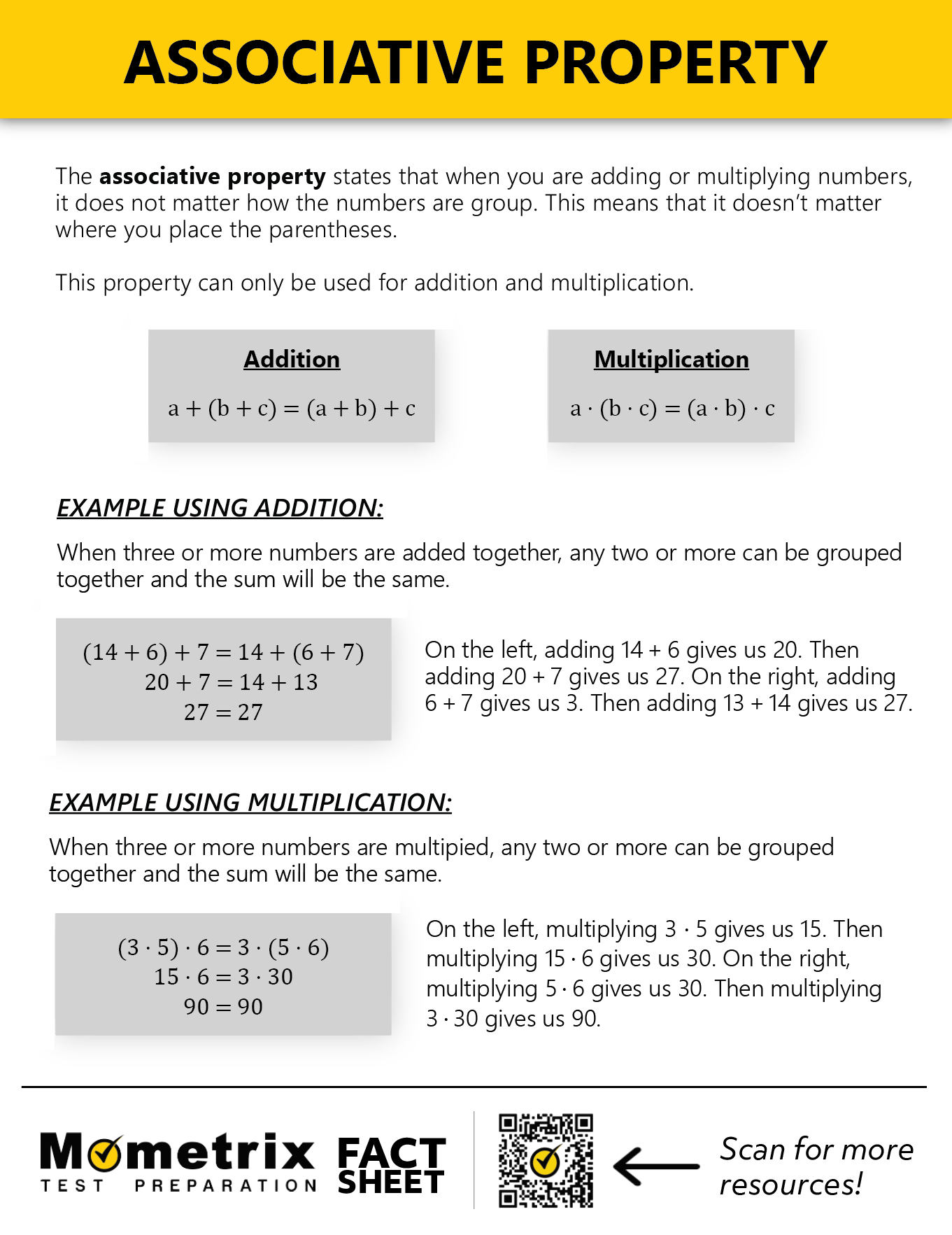
Commutative Associative And Distributive Property Video
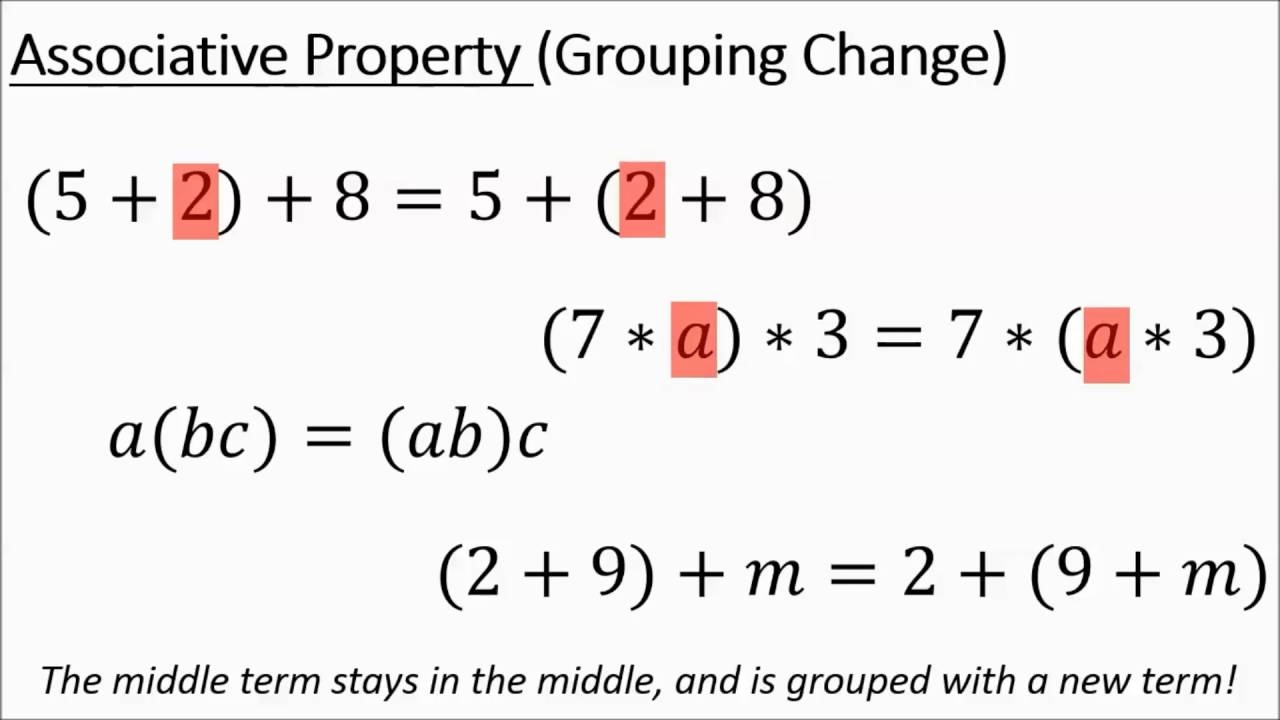
Commutative And Associative Properties