
Math can be tricky, but understanding the basics can make it a lot simpler. Two important properties in math are the commutative and associative properties. Let’s break them down in a way that’s easy to understand.
First up, the commutative property. This property states that you can change the order of the numbers in an addition or multiplication problem without changing the sum or product. For example, 3 + 5 is the same as 5 + 3. It’s like rearranging furniture in a room – the layout changes, but it’s still the same room!
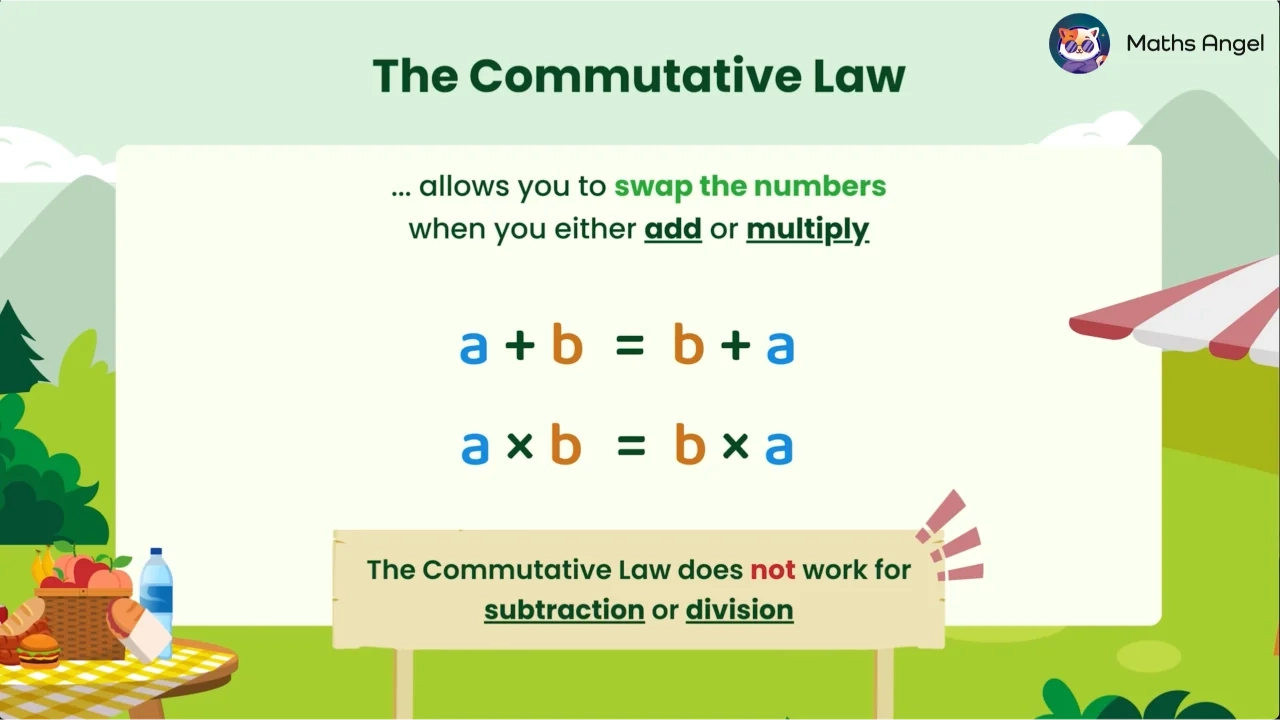
Commutative Property Vs Associative Property
Commutative Property Vs Associative Property
Now, let’s talk about the associative property. This property allows you to group numbers in an addition or multiplication problem in any way you want without changing the result. For example, (2 + 3) + 4 is the same as 2 + (3 + 4). It’s like hanging out with friends – you can group them differently, but it’s still a fun time!
When it comes to the commutative property vs associative property, remember that the commutative property deals with the order of numbers, while the associative property deals with how numbers are grouped. Both properties make math more flexible and easier to work with, so don’t stress too much about the differences!
So, next time you’re solving a math problem, keep the commutative and associative properties in mind. They might just make your life a little easier and your math skills a little sharper. Happy calculating!
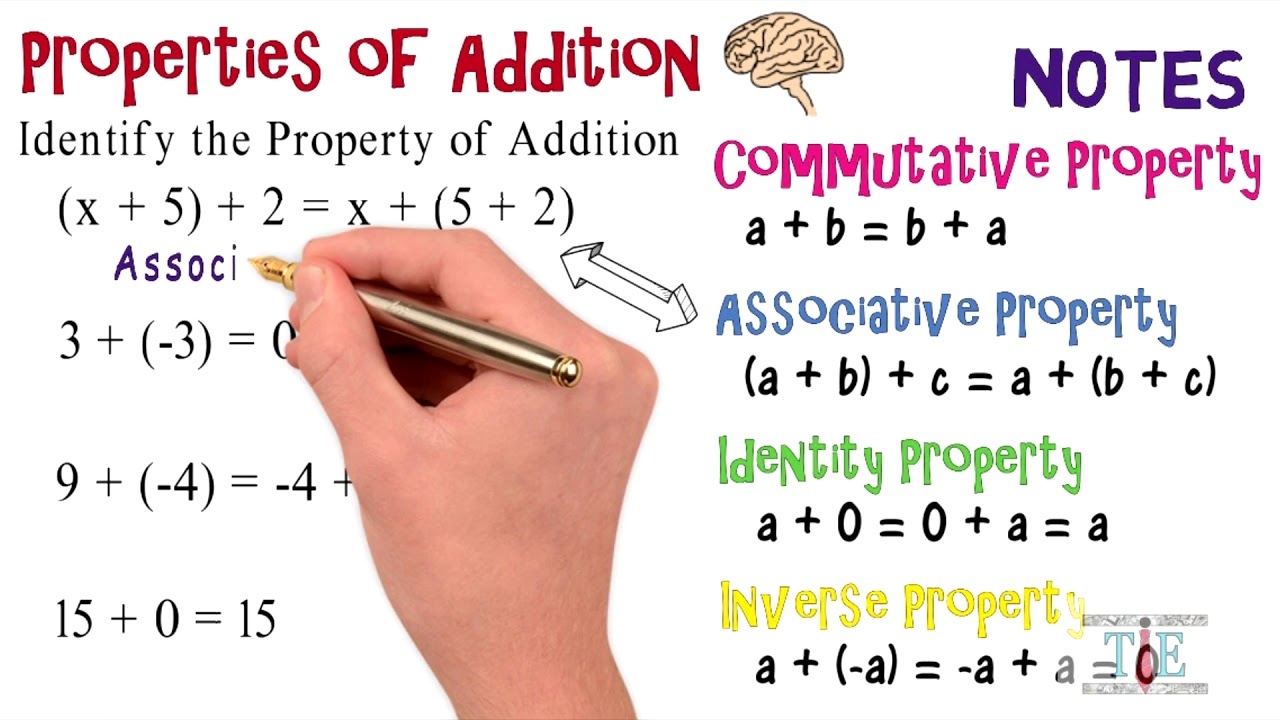
Properties Of Addition Commutative Associative Alg Animations
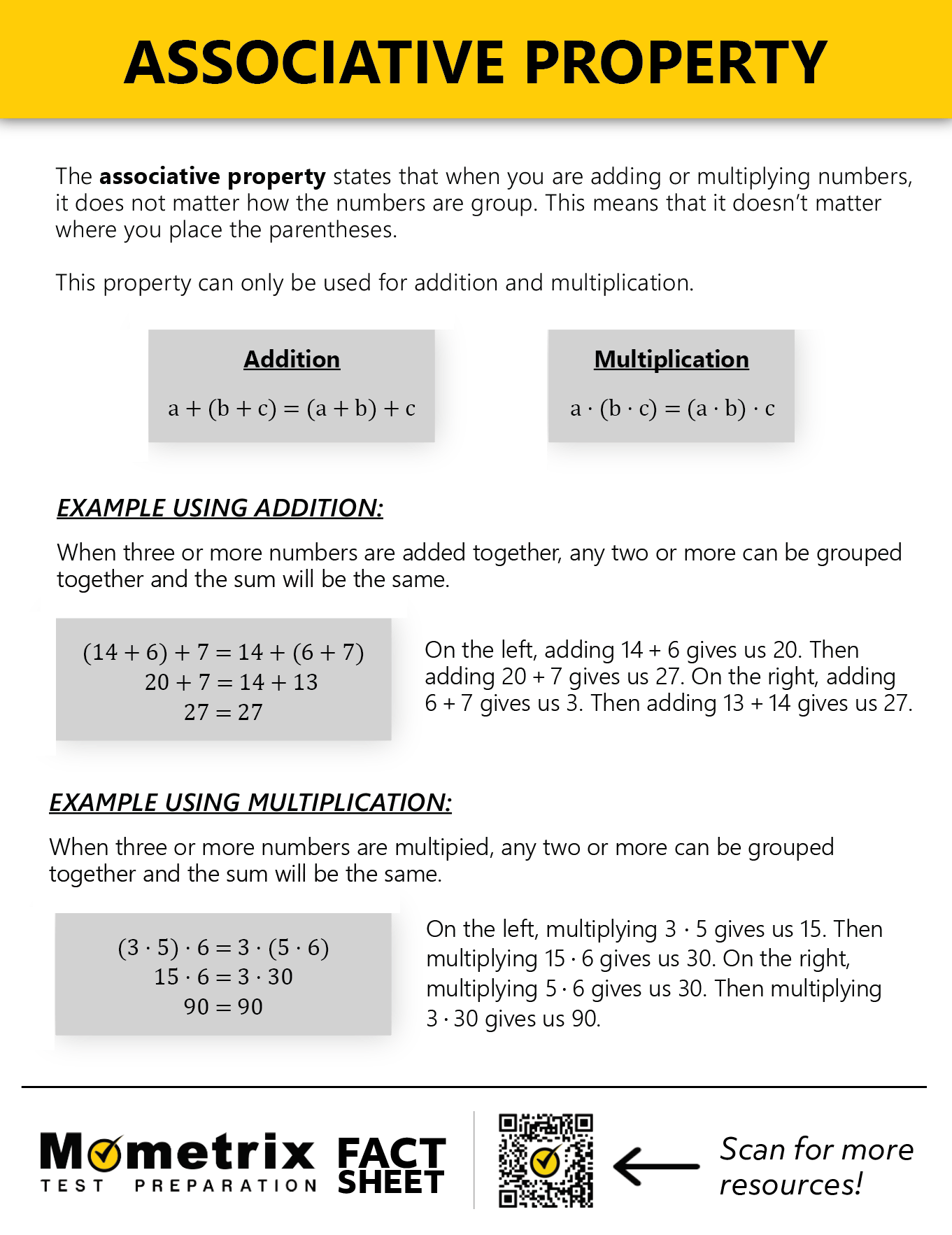
Commutative Associative And Distributive Property Video
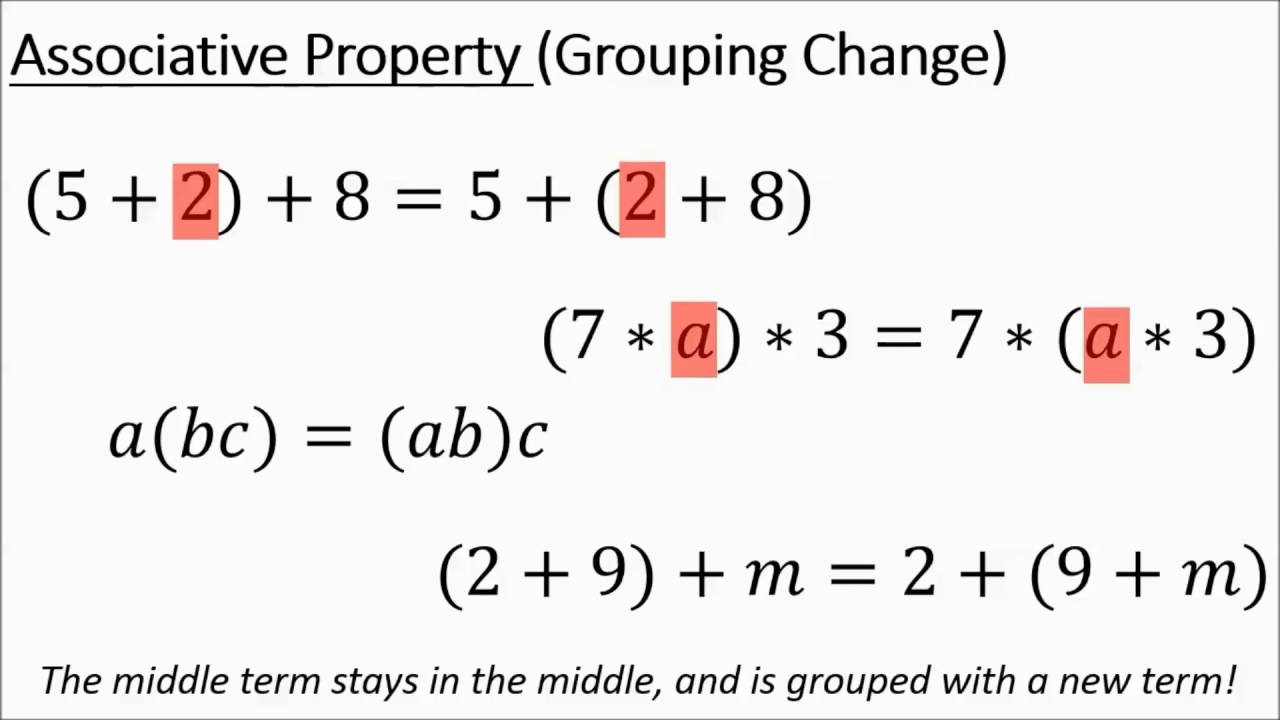
Commutative And Associative Properties