
Mathematics can be tricky, especially when dealing with positive and negative numbers. Adding a positive number to a negative one may seem daunting, but it’s actually quite simple once you understand the basics.
When you add a positive number to a negative number, you essentially move to the right on the number line. The positive number dictates how many steps you move to the right, while the negative number determines how many steps you move to the left.
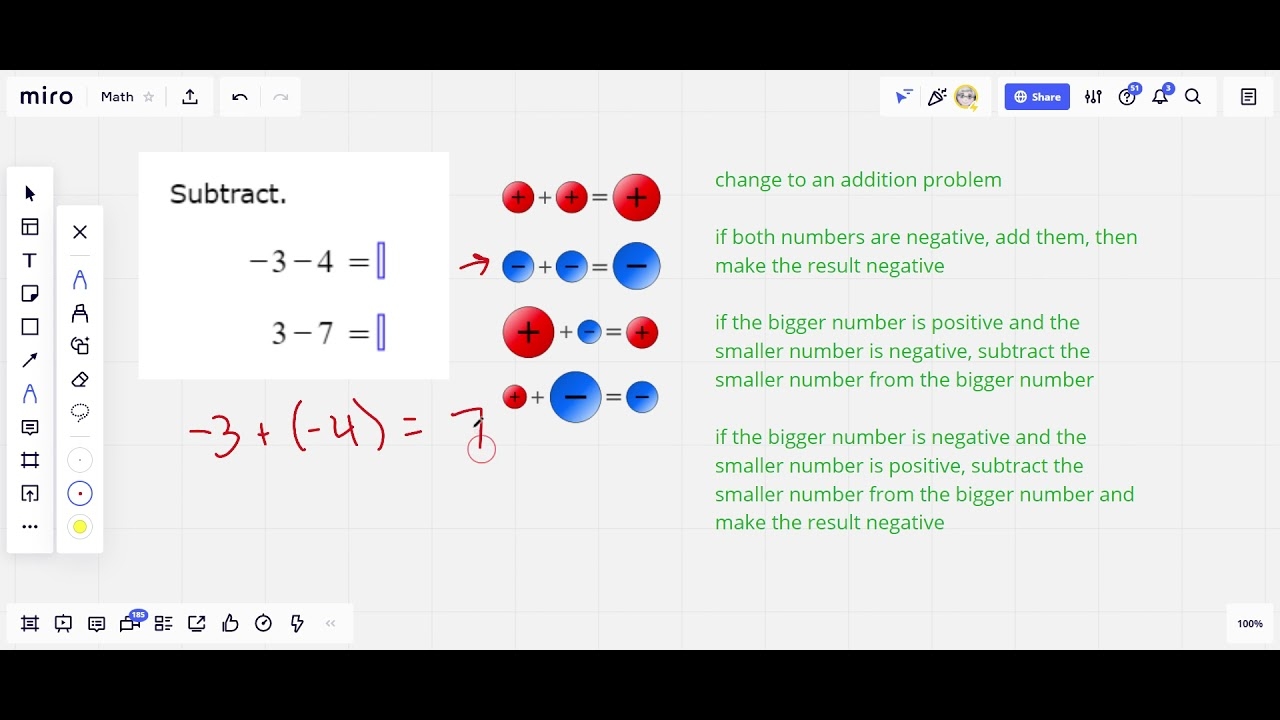
Plus A Negative Number
Plus A Negative Number
For example, if you add +5 to -3, you would start at -3 on the number line and move 5 steps to the right to land at +2. Similarly, adding +3 to -5 would result in moving 3 steps to the right from -5 to end up at -2.
Remember, when adding a positive number to a negative number, the sign of the larger number dictates the sign of the answer. So, if you add +2 to -7, the answer would be -5 because 7 is greater than 2.
Practice makes perfect when it comes to adding positive and negative numbers. The more you work with them, the more comfortable you’ll become. Don’t be afraid to make mistakes – they’re all part of the learning process!
So, the next time you encounter a math problem involving adding a positive number to a negative one, remember to visualize it on the number line and let the signs guide you to the correct answer. With a little practice, you’ll be a pro at adding positive and negative numbers in no time!
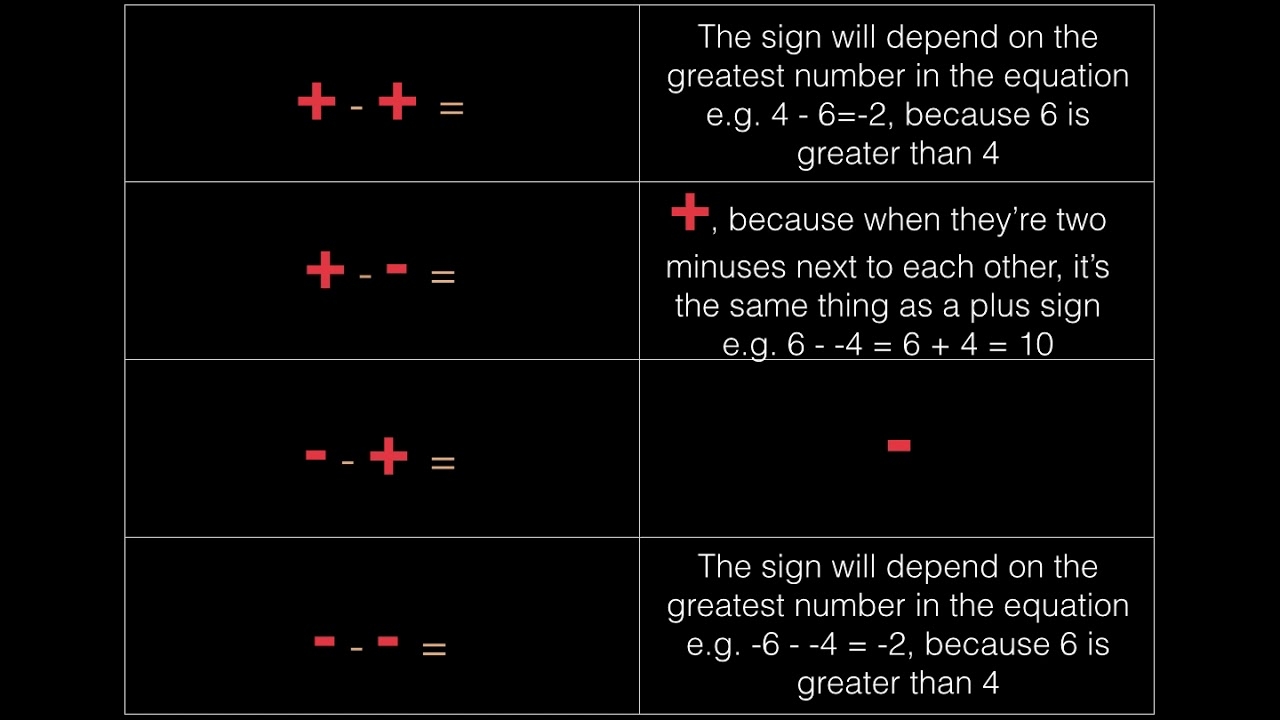
Adding And Subtracting With Integers
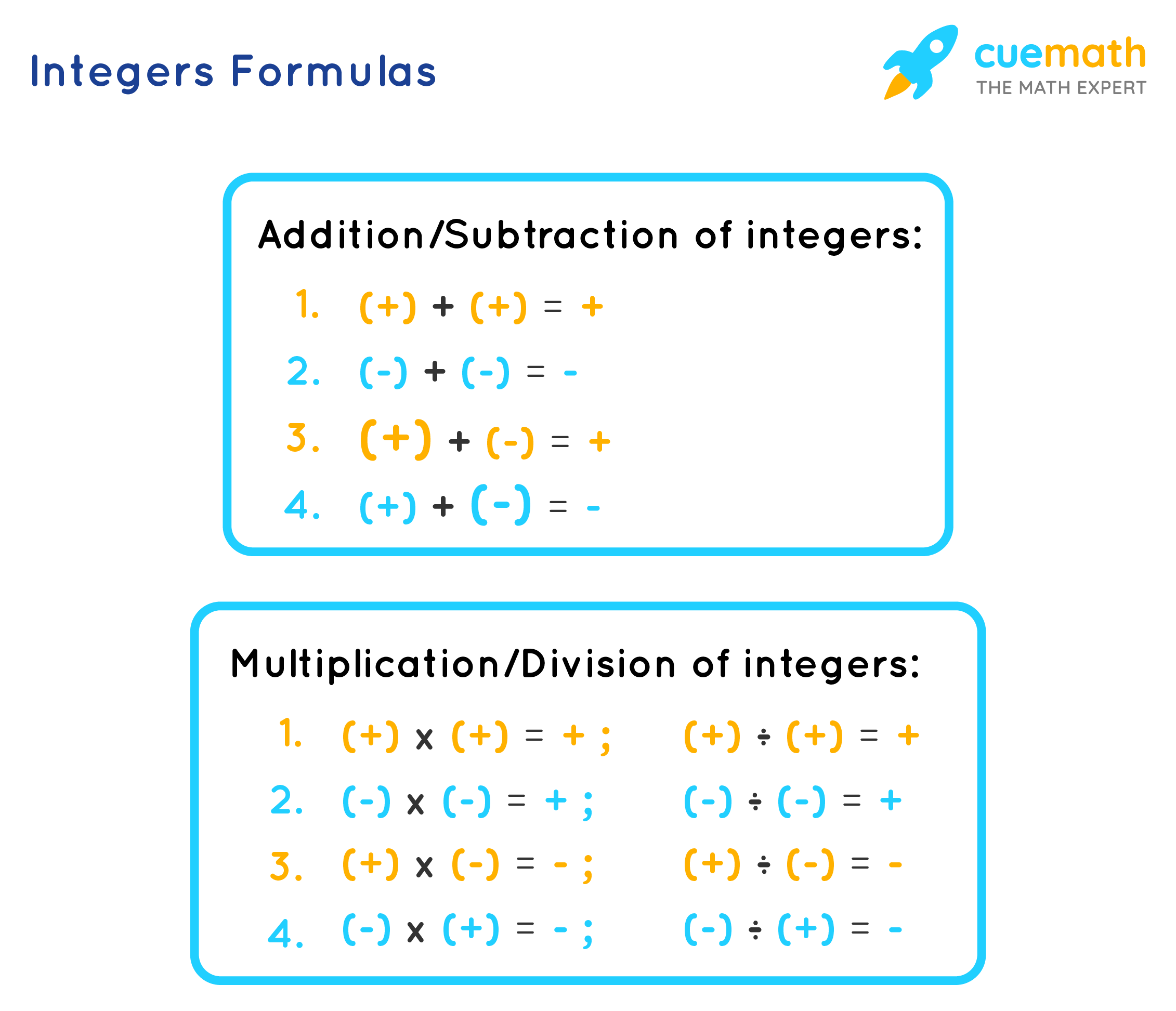
Integers Formulas What Are Integers Formulas Examples
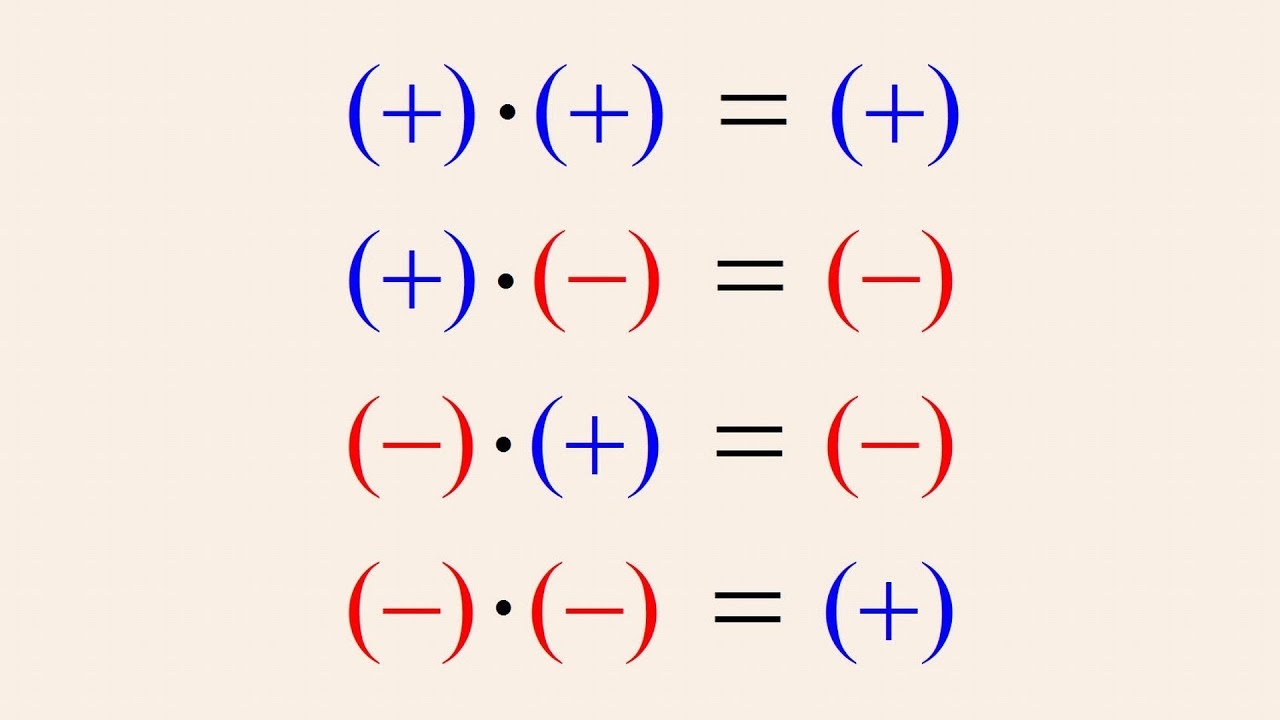
Pre Algebra 8 Multiplying Negative Numbers